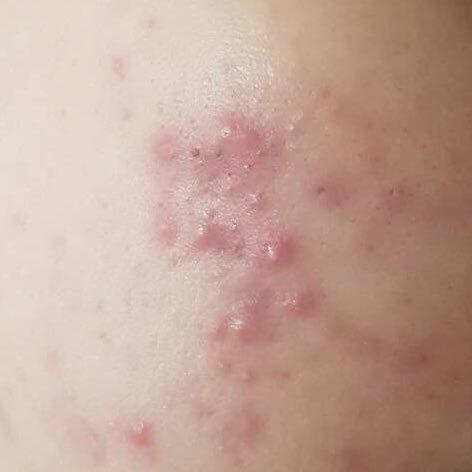
Pustular acne develops when excess sebum, clogged pores and skin bacteria trigger inflammation in hair follicles, on a background of genetic and hormonal influences. Puberty, androgens, stress, cosmetics, friction, and diet can all contribute, but there is rarely a single isolated cause.
Pustular acne itself is usually not dangerous, but it can lead to permanent scars, dark spots and significant psychological distress if not treated properly. In rare cases, severe or neglected acne can become heavily infected or signal underlying hormonal or metabolic problems.
Treatment of pustular acne usually combines topical anti-inflammatory and antibacterial products, retinoids to normalize skin turnover, and gentle cosmetic care. In more severe or resistant cases, doctors may add oral antibiotics, hormonal therapy or procedures like light therapy, peels or laser to reduce inflammation and improve scars.