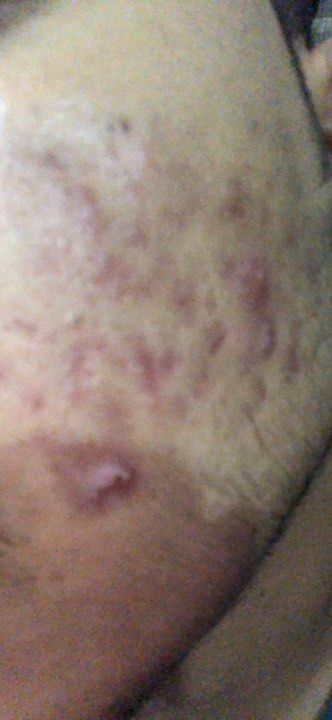
Cystic acne develops when sebaceous glands produce too much sebum, pores get blocked, and skin bacteria trigger a strong inflammatory reaction deep in the skin. Hormones, genetics, stress, some cosmetics, and lifestyle factors all contribute, but there is rarely a single cause.
Cystic acne itself is not life‑threatening, but it carries a high risk of permanent scarring and dark spots, plus strong psychological impact. Very inflamed or untreated lesions can rarely lead to deeper skin infections and significant distress or depression.
Cystic acne treatment usually combines prescription tablets (like oral antibiotics or isotretinoin), medical creams or gels, and supportive cosmetic care. After inflammation is controlled, procedures such as laser, peels, or microneedling can help improve scars and dark marks.