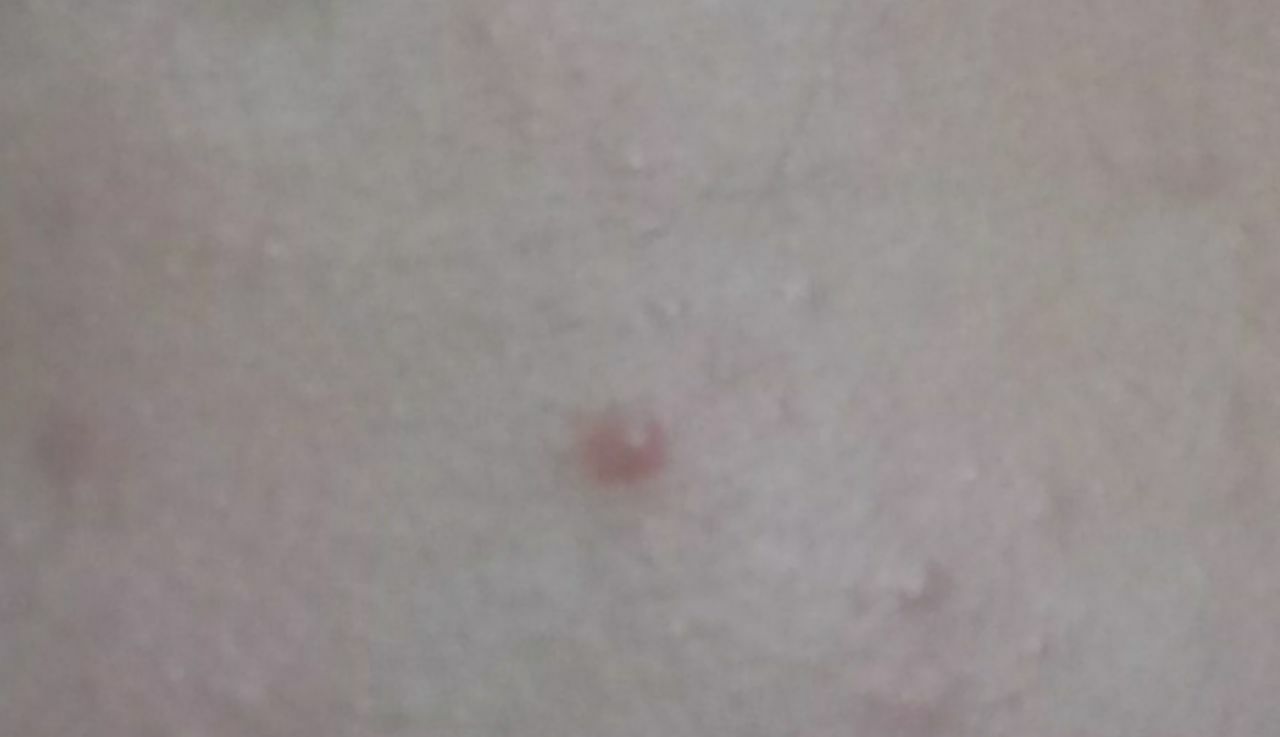
Closed comedones form when sebaceous glands are overactive and dead skin cells don’t shed properly, so the follicle opening gets blocked and sebum is trapped under the skin. Hormones, genetics, skincare products, smoking, diet, and skin damage (including UV) can all contribute.
On their own, closed comedones are not dangerous, but many lesions can signal hormonal or metabolic issues and can strongly affect appearance and self‑esteem. Without proper care, they can become inflamed, turning into acne papules, pustules, or deeper cysts with a risk of scarring.
Single, small closed comedones that don’t bother you often need no treatment and may clear on their own. Multiple or persistent lesions are usually treated with gentle chemical exfoliants, retinoids, and sometimes in‑office extractions or peels under a dermatologist’s supervision, while also correcting triggers like skincare, hormones, and lifestyle.
You can reduce closed comedones by using gentle, non‑comedogenic skincare, cleansing regularly without over‑scrubbing, and protecting your skin from UV and chronic irritation. A healthy lifestyle, good hygiene, and regular skin checks with a dermatologist or our AI skin analysis help catch problems early.
See a dermatologist if you have many closed comedones, if they are not improving with good skincare, or if they start to get red, painful, or inflamed. Our AI skin analysis is helpful for routine monitoring, but a doctor should guide diagnosis and prescription treatments.
Closed comedones are usually low‑urgency and can be managed with planned dermatologist visits rather than emergency care. Seek faster attention if lesions suddenly change, become very inflamed or painful, or if you see signs of infection after squeezing.