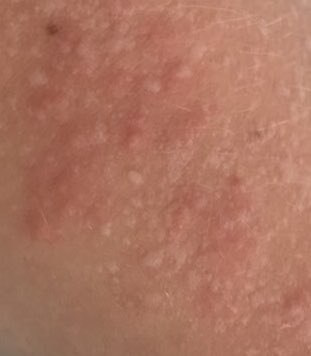
Milia form when dead skin cells and keratin get trapped under the surface of the skin instead of shedding normally. Genetics, UV exposure, skin injury, and hormonal or metabolic changes can all contribute, but often there is no single clear cause.
Milia themselves are harmless and do not affect general health, but they can signal underlying issues like hormonal imbalance, metabolic problems, or chronic sun damage. The main risks are cosmetic distress, picking‑related scarring, and occasional secondary infection if lesions are manipulated.
The only reliable way to remove existing milia is physical removal by a professional, using sterile tools, laser, radiofrequency, or electrocoagulation. Creams, scrubs, and peels may help prevent new lesions but rarely clear fully formed cysts, so avoid squeezing them yourself and see a dermatologist or cosmetic specialist.
You can lower the chance of new milia by gentle daily cleansing, avoiding heavy or pore‑clogging products, protecting your skin from UV, and treating any underlying health issues. Regular skin checks, both at home and with our AI skin analysis, help you spot changes early and adjust your routine.
See a dermatologist or cosmetic dermatologist for diagnosis and safe removal of milia, especially on the face or around the eyes. Use our AI skin analysis between visits to track changes and decide when an in‑person check is needed.
Milia are not an emergency and can usually be assessed at a routine dermatology visit, but you should seek earlier care if bumps become painful, inflamed, or start to look different from typical white cysts.