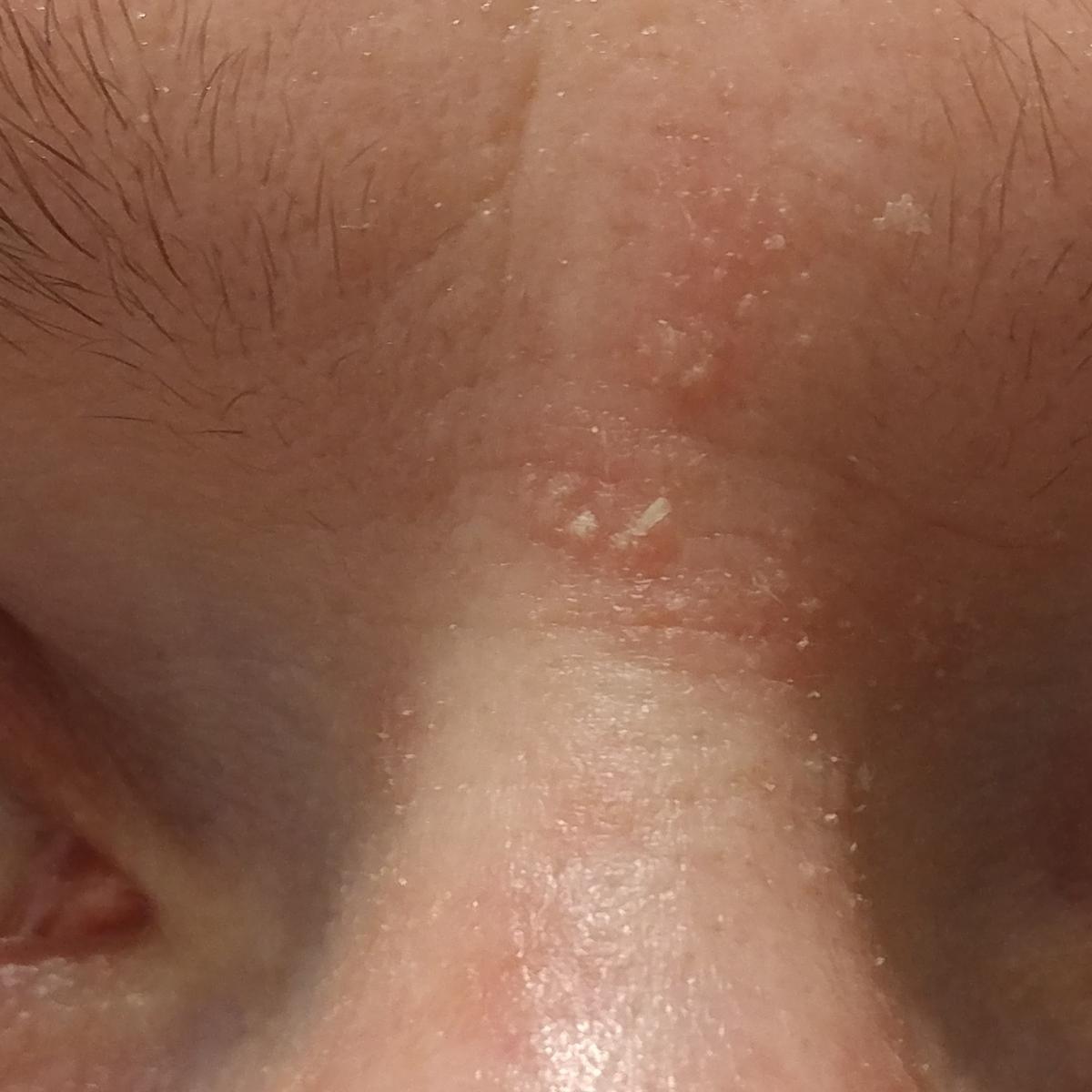
The exact cause of seborrheic dermatitis is not fully understood, but it seems to involve an overreaction of the skin to a common yeast on the skin, along with genetic factors, hormones, and the skin’s oil production. Stress, cold dry weather, harsh skin products, and some illnesses can trigger or worsen flares.
You are more likely to get seborrheic dermatitis if you are an infant under 3 months or an adult over 60, have oily skin, or have conditions like HIV, Parkinson’s disease, depression, or alcohol dependence. Cold dry weather, stress, and harsh skin or hair products also increase the risk of flares.
Treatment focuses on reducing inflammation, yeast, and scaling with medicated shampoos, antifungal or anti‑inflammatory creams, and gentle cleansing. Most people need ongoing maintenance, using medicated products a few times a week and mild moisturizers to keep the skin calm and prevent flares.
You can’t fully prevent seborrheic dermatitis, but you can reduce flares by using gentle cleansers, regular dandruff shampoos if you’re prone to scalp issues, and non‑irritating moisturizers. Managing stress, avoiding harsh hair and skin products, and protecting your skin in cold, dry weather also help.
See a dermatologist if your seborrheic dermatitis is spreading, very itchy, painful, or not improving with over‑the‑counter dandruff shampoos and gentle skin care. You should also see a doctor if the rash looks unusual, you have other worrying symptoms, or you have conditions like HIV or Parkinson’s disease.
Seborrheic dermatitis is usually not an emergency and can often be managed with over‑the‑counter products and routine care, but you should see a doctor if it is severe, spreading, or not improving. Seek urgent care if the skin becomes very painful, hot, or oozing, which can signal infection.