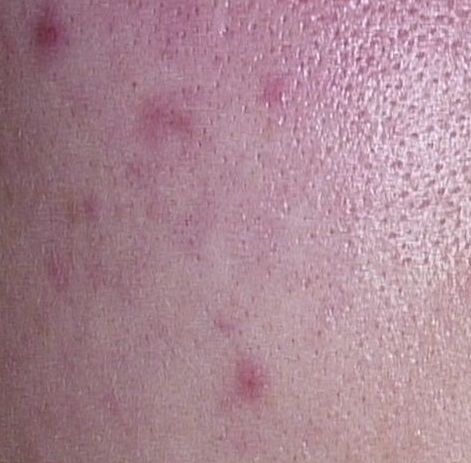
Acne vulgaris develops when oil glands produce too much sebum, the pores get clogged with dead skin cells, and bacteria in the follicle trigger inflammation. Hormones, genetics, skincare products, diet, stress, and some medications all influence how severe acne becomes.
Acne vulgaris itself is usually not dangerous, but it can leave permanent scars and dark spots and can strongly affect confidence and mental health. In severe, untreated cases, deep infections, painful nodules, and cysts can develop, and very rarely infection can spread more widely.
Acne vulgaris is treated with a mix of topical products (like retinoids, benzoyl peroxide, and antibiotics), sometimes combined with oral antibiotics, hormonal therapy, or isotretinoin in more severe cases. Gentle skincare, avoiding picking, and addressing triggers such as comedogenic cosmetics, stress, or diet are also key, and progress should be checked regularly, for example with our AI skin analysis.
You can’t fully prevent acne vulgaris if you’re genetically or hormonally prone, but you can reduce flares by using gentle, non‑comedogenic skincare, avoiding harsh scrubbing and picking, protecting your skin from UV, and keeping a generally healthy lifestyle. Regular self‑checks and early adjustments, supported by our AI skin analysis, help catch worsening acne before it scars.
See a dermatologist if your acne is moderate to severe, leaves marks or scars, is painful, or doesn’t improve after 2–3 months of proper over‑the‑counter care. Sudden severe acne in adulthood, deep nodules, or strong emotional distress are also reasons to get professional help and to monitor your skin regularly with our AI skin analysis.
Acne vulgaris is usually not an emergency, but you shouldn’t ignore persistent, painful, or scarring acne. Arrange a routine dermatology visit within a few weeks, and seek earlier care if you have deep nodules, sudden severe flares, or signs of infection.