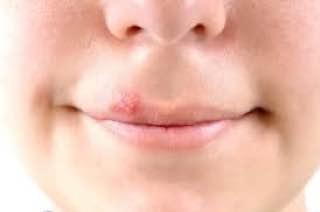
Herpes simplex is caused by infection with HSV‑1 or HSV‑2, usually spread through direct skin or mucous membrane contact, kissing, or sexual contact. After the first infection, the virus remains in nerve cells and can reactivate with triggers like illness, stress, fatigue, or local irritation.
Anyone who has close contact with an infected person can get herpes simplex, especially through kissing or sexual contact. People with weakened immune systems, frequent stress, or other illnesses tend to have more frequent or severe outbreaks.
Herpes simplex is treated with antiviral tablets or creams such as acyclovir, valacyclovir, or famciclovir, which shorten outbreaks and reduce symptoms. Pain relief, gentle skin care, and sometimes long‑term suppressive antiviral therapy are used to control frequent or severe recurrences.
You can lower your risk of herpes outbreaks and transmission by avoiding direct contact with blisters, using condoms or dental dams, and not sharing items like lip balm during an active flare. Managing triggers such as stress, illness, and strong sun exposure also helps reduce recurrences.
See a doctor for suspected first‑time genital herpes, very painful or widespread outbreaks, eye involvement, or if you have a weak immune system or are pregnant. A doctor can confirm the diagnosis with tests, prescribe antivirals, and discuss ways to reduce recurrences and transmission.
Most herpes simplex outbreaks are not an emergency and can be managed with routine medical care, especially if you’re otherwise healthy. Seek urgent care if you have eye symptoms, severe headache or confusion, rapidly spreading rash, or if you’re pregnant or immunocompromised with a new severe outbreak.