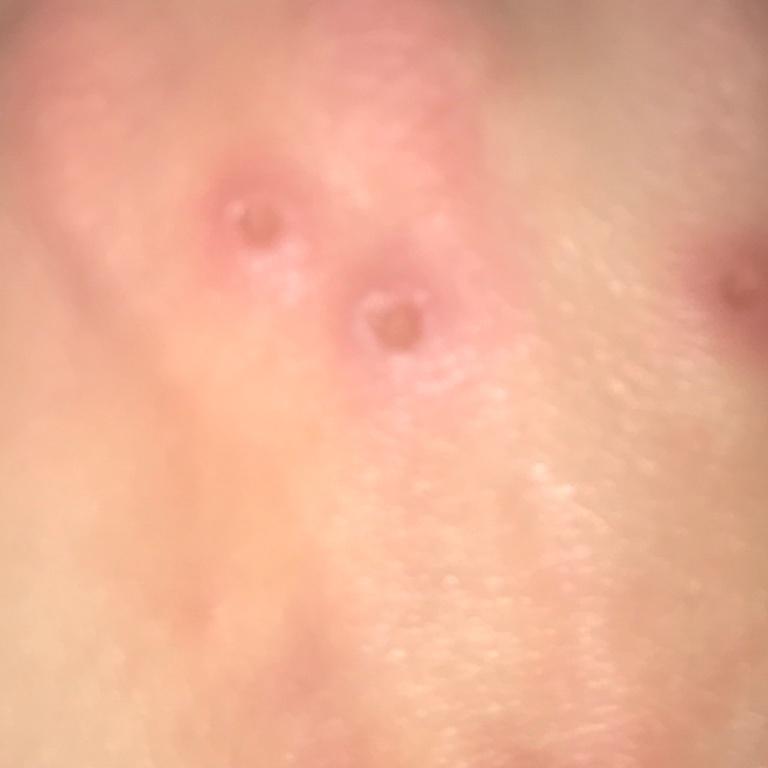
Chickenpox is caused by the varicella zoster virus, which spreads mainly through droplets in the air when an infected person coughs or sneezes, and by direct contact with blister fluid. After the first infection, the virus stays in the body for life and can later reactivate as shingles.
Chickenpox is most common in children, especially in group settings like daycare and school. The highest risk of severe disease and complications is in infants, adults, pregnant women without immunity, and people with weakened immune systems.
In healthy children, chickenpox is usually treated at home with rest, fluids, fever reducers like paracetamol, and anti-itch measures such as soothing lotions and antihistamines. High‑risk patients (pregnant women without immunity, adults, and people with weak immune systems) may need antiviral medicines like acyclovir and sometimes hospital care. Avoid scratching, keep nails short, and never give aspirin to children with chickenpox.
The best way to prevent chickenpox is vaccination, which gives strong protection against severe disease. Infected people are contagious from 1–2 days before the rash until all blisters have crusted, so they should stay home from school, work, and public places during this time. Avoid close contact between sick children and pregnant women or people with weak immune systems.
You should see a doctor if you suspect chickenpox, especially in infants, adults, pregnant women, or anyone with a weak immune system. Seek urgent care if there are breathing problems, confusion, very high fever, severe headache, or rapidly worsening redness and pain around the spots.
Most healthy children with chickenpox can be managed at home and seen by a doctor within 24–48 hours for advice. Immediate or emergency care is needed if the person is a young infant, pregnant, immunocompromised, or develops breathing problems, confusion, severe headache, or rapidly worsening skin redness and pain.